
Madrid – In a sharply worded ruling issued on Monday, February 9, 2026, Judge Francisco de Jorge of the Audiencia Nacional’s Central Court No. 1 ordered the pre-trial detention of Ignacio Torán, the alleged leader of a major drug trafficking organization linked to former UDEF chief inspector Óscar Sánchez Gil (alias “El Anodino”).
Torán, considered the primary figure in a network accused of smuggling massive quantities of cocaine into Spain, valued at up to €2 billion, had been under provisional release since April 2025. Despite the judge’s explicit concerns over a “serious risk of flight” due to Torán’s vast wealth (including properties in Dubai) and the gravity of the charges (drug trafficking in an organized crime context and money laundering), the Ministry of Interior failed to supply an electronic tracking device (such as an ankle bracelet) for nearly 10 months.
The court’s order states: “In April 2025, precisely due to the aggravation of the risk of escape, it was agreed to provide the investigated Mr. Torán with an electronic device to control his provisional freedom. This was requested from the Ministry of Interior, but despite the attempts, there have been no available equipment despite the efforts made.”
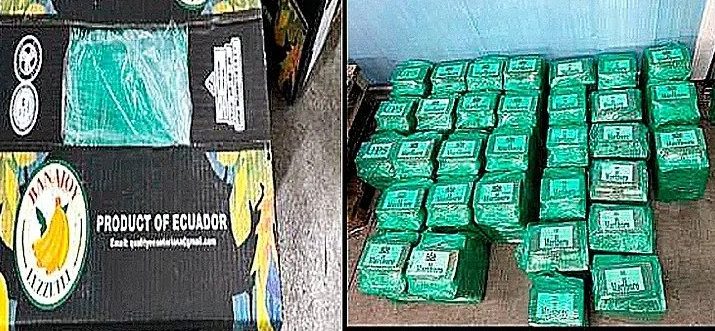
Judge De Jorge emphasized that repeated requests for telematic surveillance went unfulfilled, leaving authorities unable to adequately monitor the suspect. This shortfall, combined with mounting evidence from police investigations, including intercepted messages, mobile phone data showing coordination of drug shipments hidden in fruit containers, and international money-laundering networks spanning Panama, the UAE, and other jurisdictions, prompted the decision to revoke his liberty and place him in preventive custody without bail.
Torán’s organization allegedly collaborated closely with Sánchez Gil, the former head of the Unidad de Delincuencia Económica y Fiscal (UDEF) in Madrid, who is already imprisoned. Sánchez is accused of providing insider police intelligence to shield shipments, alerting the group to investigations, and receiving multimillion-euro commissions, part of which was found hidden (including €20 million walled up in his home).
The case, part of a broader “narcopolice” scandal, underscores systemic failures in resource allocation for high-risk suspects and highlights the challenges in combating sophisticated transnational drug networks that corrupt law enforcement from within.