
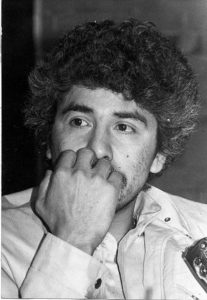
The Caborca Cartel (Cártel de Caborca), a Mexican transnational criminal organization rooted in the legacy of the defunct Guadalajara Cartel, operates primarily in northwestern Sonora state, with its namesake hub in the border municipality of Caborca near Arizona. Founded around 2017 (with some sources citing formalization in 2019) by veteran drug lord Rafael Caro Quintero (alias “El Narco de Narcos” or “El Rafa”), the group focuses on smuggling fentanyl, methamphetamine, cocaine, and other narcotics into the United States via desert routes and border crossings. As of February 2026, the cartel persists as a regional player despite Caro Quintero’s extradition to the U.S. in early 2025, where he faces long-standing charges tied to the 1985 murder of DEA agent Enrique “Kiki” Camarena and drug trafficking. Relatives and loyal cells continue operations, expanding into extortion, kidnappings, arms trafficking, and money laundering, while clashing with rivals in an evolving landscape of alliances and territorial disputes.
Origins and Ties to Guadalajara Legacy
The Caborca Cartel draws direct lineage from the Guadalajara Cartel, which Caro Quintero co-founded in the late 1970s with figures like Miguel Ángel Félix Gallardo. Guadalajara pioneered large-scale marijuana cultivation and cocaine trafficking in the 1980s, amassing billions before fracturing after Camarena’s killing triggered intense U.S. pressure. Caro Quintero was arrested in 1985, served decades in prison, and was controversially released in 2013 on a technicality, only to be recaptured in July 2022 amid renewed U.S. demands for extradition.
Upon his 2013 release, Caro Quintero reactivated family networks in Sonora, formalizing the Caborca Cartel to reclaim plazas (territories) amid competition from the Sinaloa Cartel (particularly its Los Chapitos faction, sons of Joaquín “El Chapo” Guzmán). The group leveraged historical smuggling corridors in Caborca and nearby areas like Magdalena de Kino, Puerto Peñasco, and San Luis Río Colorado, regions with long-standing ties to Caro Quintero’s early career in livestock and marijuana fields.
Key Leaders and Structure
The cartel has operated as a family-centric network with a personalist command style:
- Rafael Caro Quintero: Founder and nominal leader until his 2022 arrest and 2025 extradition to the U.S. (part of historic batches transferring dozens of high-profile narcos). He allegedly directed operations from prison via intermediaries.
- Family and successors: Nephews like Rodrigo Páez Quintero (extradited to the U.S. in 2024 on drug conspiracy charges) and José Gil Caro Quintero have held key roles. Other figures include “El 03” (a nephew reportedly leading cells in the State of Mexico) and allies from groups like Barredora 24/7.
- Current dynamics: Post-extradition, the group functions through decentralized cells loyal to the Caro Quintero family, maintaining vertical integration from production/precursor sourcing to border crossings.
Unlike more hierarchical cartels, Caborca emphasizes familial loyalty and inherited corruption networks from Guadalajara-era bribes.
Current Status and Operations (as of February 2026)
The cartel remains active but diminished and adaptive:
- Core activities: Drug smuggling (fentanyl precursors and meth via Sonora-Arizona routes); extortion (“piso” taxes on businesses, agriculture like asparagus/grapes in Caborca); migrant/human smuggling; arms trafficking; kidnappings; and local drug distribution.
- Territory and expansion: Stronghold in Caborca and northwestern Sonora; reported presence in Baja California Sur, Chihuahua, Quintana Roo, Yucatán (e.g., 2026 Dzilam González executions linked to expansion), and notably the State of Mexico (Edomex), where it vies with CJNG and groups like La Unión Tepito in municipalities such as Tlalnepantla. This marks a shift toward central Mexico amid Sonora pressures.
- Alliances and rivalries: Tactical pacts with CJNG against Sinaloa factions in some phases; primary foe remains Los Chapitos (Sinaloa splinter), fueling ongoing violence in Sonora (e.g., clashes since 2020, intensified post-Caro Quintero’s arrest). Internal Sinaloa infighting (2024–2026) has created opportunities but also spillover risks.
- Violence: Caborca has seen high homicide rates (e.g., over 100 per 100,000 in peaks), with armed patrols, shootouts, and U.S. Embassy alerts on cartel fighting. Recent incidents include synthetic drug lab seizures tied to regional ops (January 2026) and expansions into new states.
U.S./Mexican enforcement continues: Sanctions, rewards, and extraditions (including Caro Quintero and relatives) target the group, though it has not received standalone FTO/SDGT designation like Sinaloa or CJNG.
Impact and Legacy
The Caborca Cartel embodies the persistence of old-guard narco-dynasties in modern Mexico: rooted in 1970s–1980s marijuana empires, it adapted to synthetic opioids amid U.S. demand shifts. Its feud with Sinaloa factions highlights plaza wars over lucrative border routes, contributing to Sonora’s instability and broader fentanyl flows fueling the U.S. opioid crisis.
Despite Caro Quintero’s removal, familial resilience and pragmatic alliances ensure survival, albeit localized and contested. As enforcement intensifies under U.S.-Mexico cooperation (extraditions, sanctions), the group’s trajectory may involve further fragmentation or absorption, underscoring the challenges of dismantling entrenched, heritage-based networks in northern Mexico’s criminal ecosystem.