Recent reports indicate that high-level, discreet discussions between the United States and elements tied to Cuba’s longstanding power structure are progressing more rapidly than anticipated. Here’s what is known based on emerging details from U.S. media sources:
Cuban President Miguel Díaz-Canel and key regime figures, including Foreign Minister Bruno Rodríguez (who has been traveling abroad), appear to have been kept out of the loop on these contacts. Official Cuban channels, including statements from its UN representative, have dismissed such reports as “speculation” and denied any high-level dialogues with Washington.
U.S. Secretary of State Marco Rubio is reportedly holding conversations with individuals close to the real centers of influence on the island, specifically linked to the GAESA military-business conglomerate (which dominates much of Cuba’s economy and foreign currency flows) and relatives of former leader Raúl Castro.
Key figures involved on the Cuban side include:
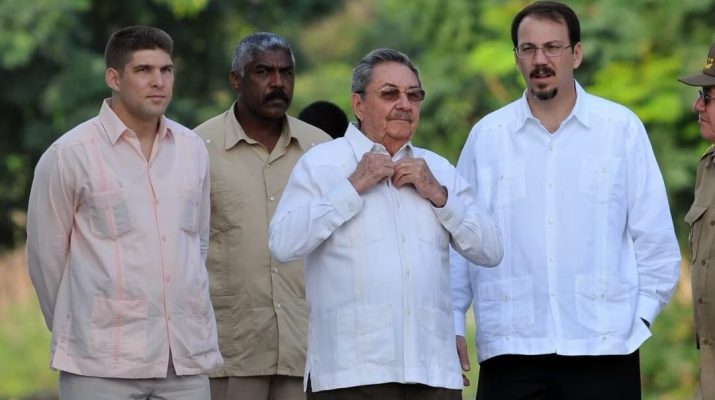
- Raúl Guillermo Rodríguez Castro (known as “El Cangrejo” or “The Crab”), Raúl Castro’s 41-year-old grandson. He serves as his grandfather’s longtime bodyguard, close aide, and is described as overseeing family interests within GAESA. Sources portray these exchanges as surprisingly cordial, focused on Cuba’s “future” rather than past grievances or formal negotiations.
- Alejandro Castro Espín, son of Raúl Castro, has been mentioned in some earlier reports as a potential interlocutor in related contacts.
- Óscar Pérez-Oliva Fraga, Raúl Castro’s great-nephew (and a rising technocrat recently promoted to Deputy Prime Minister), is speculated by some analysts to play a role akin to Venezuela’s Delcy Rodríguez. potentially as a figure who could facilitate continuity or transitions while preserving family influence.
These backchannel efforts come amid intense U.S. pressure on Havana, including economic measures contributing to Cuba’s ongoing energy crisis, blackouts, and financial strain. The Trump administration views 94-year-old Raúl Castro as the island’s true decision-maker despite his age, with the talks bypassing Díaz-Canel’s government to engage the Castro inner circle directly.
While the Cuban regime publicly rejects these claims, multiple U.S. sources (including Axios and the Miami Herald) have confirmed the contacts, describing them as exploratory discussions about potential paths forward rather than outright negotiations.