The Tijuana Cartel (Cártel de Tijuana), also known as the Arellano Félix Organization (AFO or CAF), is one of Mexico’s oldest and historically most notorious drug trafficking organizations, centered in Tijuana, Baja California, directly across the border from San Diego, California. As of February 2026, the cartel is a shadow of its former self, severely diminished by decades of arrests, killings, internal fractures, and territorial losses, but it persists in reduced form. It maintains some control over local drug routes, charges “piso” (protection/toll fees) on shipments through its plazas, and engages in street-level trafficking, extortion, and occasional violence. Unlike larger rivals such as the Sinaloa Cartel or CJNG (designated Foreign Terrorist Organizations in 2025), the Tijuana Cartel has not received a similar U.S. terrorist designation, though its remnants face ongoing pressure through sanctions, fugitive transfers, and enforcement.
Origins and Peak Power
The Tijuana Cartel traces its roots to the Guadalajara Cartel era in the 1980s, when Miguel Ángel Félix Gallardo centralized Mexican trafficking networks.
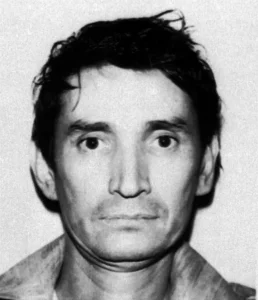
After his 1989 arrest (linked to the murder of DEA agent Enrique “Kiki” Camarena), the Arellano Félix family, seven brothers and several sisters, inherited and expanded the organization. Key figures included:
- Ramón Arellano Félix (“El Mon”): Notorious for extreme violence; killed in a 2002 shootout.
- Benjamín Arellano Félix (“El Min”): Business-oriented leader; arrested 2002, extradited, and sentenced in the U.S.
- Francisco Javier Arellano Félix (“El Tigrillo”): Maritime smuggling expert; captured 2006, sentenced to life.
- Eduardo Arellano Félix (“El Doctor”): Financial chief; arrested 2008, extradited, sentenced to 15 years (released/re-arrested in Mexico in later years).
- Enedina Arellano Félix (“La Narcomami”): One of the few surviving original family members; widely regarded as current strategic head.
At its height in the 1990s–early 2000s, the AFO supplied a significant portion of U.S. cocaine (up to 40% at times), marijuana, and other drugs via the Tijuana corridor. It was infamous for brutal tactics: torture, beheadings, public executions, and corruption of officials, making Tijuana one of North America’s most violent cities during turf wars with the Sinaloa Cartel.
Fragmentation and Decline
Leadership losses triggered decline:
- Early 2000s arrests/killings of brothers fragmented the group.
– 2008 power struggle led to a split; Eduardo Teodoro García Simental (“El Teo”) defected, aligning with Sinaloa. - Fernando Sánchez Arellano (“El Ingeniero”), Benjamín’s nephew and Enedina’s son, assumed leadership post-2008 but was arrested in 2014 (released on bail 2023, re-fugitive by 2024 amid new issues).
- Alliances shifted: Brief pacts with Sinaloa (post-2011 truce), then tactical ties with CJNG (from ~2017) against Sinaloa dominance in Baja California. A short-lived “Tijuana Cartel New Generation” branding emerged around 2020 but collapsed.
By the mid-2010s, Sinaloa incursions eroded much territory; violence peaked then declined as the AFO focused on survival.
Current Status and Operations (as of February 2026)
The Tijuana Cartel operates as a diminished, localized network rather than a unified powerhouse. Key elements include:
- Leadership: Enedina Arellano Félix remains influential (possibly overseeing strategy/finances). Some reports suggest family descendants or cells handle day-to-day ops. Figures like Pablo Edwin Huerta Nuño (“Flaquito”), a Tijuana plaza boss linked to CJNG alliances, faced arrests/transfers (e.g., 2025 cases).
- Activities: Drug trafficking (cocaine, meth, fentanyl via alliances), migrant smuggling, extortion (“piso” on rivals’ loads), local sales, and money laundering. It taxes shipments through controlled areas but avoids large-scale confrontation.
- Territory: Retains influence in parts of Tijuana, Baja California hubs (e.g., reintegration of some branches like Cabo San Lucas after defections from Sinaloa). Mexicali/Rosarito remain contested or Sinaloa-held.
- Alliances/Conflicts: Tactical cooperation with CJNG against Sinaloa factions; occasional narco-banners (e.g., 2025 sightings signed by “El Ingeniero” or CAF) signal presence amid low-level clashes.
- Violence: Homicides in Tijuana have trended lower than peaks, but sporadic incidents (ambushes, banners) persist. No major internal war like Sinaloa’s.
U.S./Mexican actions continue: Fugitive transfers (including Tijuana-linked figures in 2025–2026 batches), sanctions on networks, and prosecutions target remnants.
Impact and Legacy
The Tijuana Cartel pioneered aggressive, visible violence that influenced later groups. Its decline exemplifies the “kingpin strategy’s” mixed results: decapitation weakens hierarchies but fragments organizations, allowing adaptation or absorption by rivals.
Today, it survives as a regional player, taxing routes, leveraging family ties, and allying pragmatically, rather than dominating. While no longer a top-tier threat, its persistence in the strategic Tijuana plaza underscores the challenges of eradicating entrenched border networks amid shifting alliances, corruption, and U.S. demand for drugs. As enforcement intensifies under U.S. pressure, the AFO’s future may hinge on further fragmentation or quiet integration into larger alliances.