
The Gulf Cartel (Cártel del Golfo, or CDG), one of Mexico’s oldest and historically most influential transnational criminal organizations, operates primarily in the northeastern state of Tamaulipas, with key strongholds in cities like Matamoros, Reynosa, and Tampico along the U.S.-Mexico border. As of February 2026, the CDG is designated by the United States as a Foreign Terrorist Organization (FTO) and Specially Designated Global Terrorist (SDGT) (February 2025 designation), reflecting its involvement in drug trafficking, human smuggling, extortion, kidnapping, and violence that threatens U.S. national security. Once a unified powerhouse controlling major cocaine and marijuana routes into Texas, the cartel has fragmented into competing factions, losing much of its former cohesion but retaining significant influence over border smuggling corridors.
Origins and Rise to Prominence
The Gulf Cartel’s roots trace back to the 1930s in Tamaulipas, when Juan Nepomuceno Guerra began smuggling alcohol during U.S. Prohibition and later heroin.
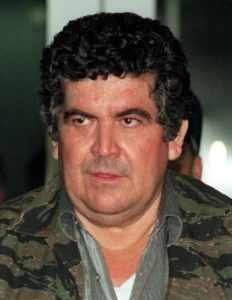
It evolved into a formal drug trafficking organization in the 1980s under Juan García Ábrego, who forged alliances with Colombian cartels (notably the Cali Cartel) to traffic cocaine through the Gulf coast corridor. García Ábrego’s leadership turned the group, initially known as the Matamoros Cartel, into one of Mexico’s most powerful syndicates by the 1990s, generating billions annually through corruption, bribery, and control of key plazas (territories).
The cartel’s “golden era” peaked under Osiel Cárdenas Guillén (alias “El Mata Amigos”) in the late 1990s and early 2000s. Osiel professionalized operations by recruiting elite former Mexican special forces soldiers to form Los Zetas as an armed wing, pioneering extreme violence (beheadings, torture) to intimidate rivals and authorities. This militarized approach expanded the cartel’s reach but sowed seeds for future fractures.
Key Leaders and Fragmentation
Major leadership losses have defined the CDG’s trajectory:
- Juan García Ábrego: Arrested in 1996; first Mexican drug lord on the FBI’s Ten Most Wanted list.
- Osiel Cárdenas Guillén: Captured in 2003; extradited to the U.S. in 2007; sentenced to 25 years (released or paroled in later years).
- Antonio Cárdenas Guillén (“Tony Tormenta”): Killed in a 2010 shootout.
- Jorge Eduardo Costilla Sánchez (“El Coss”): Captured in 2012.
- Mario Cárdenas Guillén and others from the family: Arrested or killed in subsequent years.
The 2010 split with Los Zetas (who became independent) triggered brutal wars, further weakening the CDG. By the mid-2010s, it had splintered into autonomous factions, including:
- Los Escorpiones / Grupo Escorpión (Scorpions): Dominant in Matamoros; allied with Los Ciclones (Cyclones); considered the most powerful bloc. Leader José Alberto García Vilano (“La Kena”) captured in January 2024; successor reportedly Armando López Garcés (“El Pajarito”).
- Los Metros: Active in Reynosa and other areas; some factions have allied tactically with rivals like CJNG for border access.
- Los Rojos, Los Panteras, and others: Smaller, often in conflict over plazas.
No single overarching leader exists today; factions operate semi-independently while occasionally cooperating or clashing.
Current Status and Operations (as of February 2026)
The CDG is no longer a monolithic entity but a network of rival factions controlling lucrative border territories. It profits from:
- Drug trafficking (cocaine, methamphetamine, fentanyl, marijuana).
- Migrant smuggling (a growing revenue source amid U.S. border dynamics).
- Arms trafficking, extortion, kidnapping, and fuel theft.
Violence persists in Tamaulipas due to intra-faction disputes and competition with groups like Cártel del Noreste (CDN, ex-Zetas splinter) and incursions by CJNG (which has allied with some CDG cells, e.g., Los Metros, for operational support in ports like Altamira). Homicides, disappearances, and blockades remain common, though less intense than Sinaloa’s internal war.
U.S. actions continue pressuring the group: In January 2026, Mexico transferred 37 fugitives (including CDG members like Ricardo Cortez-Mateos/”Billeton,” charged with fentanyl/meth/cocaine trafficking) to U.S. custody. Earlier extraditions and sanctions target leaders and networks.
Impact and Legacy
The Gulf Cartel pioneered many tactics now standard in Mexican organized crime: paramilitary enforcers, public brutality, and diversified crimes. Its fragmentation highlights the resilience, and vulnerability, of decentralized structures amid arrests, killings, and rival pressures. While diminished from its peak, CDG factions maintain strategic border control, fueling U.S. opioid flows and regional instability. As U.S.-Mexico cooperation intensifies under designations as terrorist entities, the group faces ongoing erosion, but its entrenched plazas ensure it remains a persistent threat in northeastern Mexico’s criminal landscape.