
The Cártel del Noreste (CDN, or Northeast Cartel), a highly violent Mexican transnational criminal organization and successor to Los Zetas, maintains a stronghold in northeastern Mexico, particularly Tamaulipas (with Nuevo Laredo as its primary base), Coahuila, and Nuevo León. As of February 2026, CDN is designated by the United States as a Foreign Terrorist Organization (FTO) and Specially Designated Global Terrorist (SDGT) (February 20, 2025), reflecting its role in drug trafficking (including fentanyl), human smuggling, arms trafficking, extortion, kidnappings, and brutal acts of violence that threaten U.S. national security and border communities. The group exerts significant influence over key border crossings like Laredo/Nuevo Laredo, using extreme tactics, assassinations, beheadings, and attacks on officials, to maintain control.
Origins and Succession from Los Zetas
CDN emerged in 2014 as a splinter faction of Los Zetas following the capture of the latter’s last absolute leader, Omar Treviño Morales (“Z-42”). 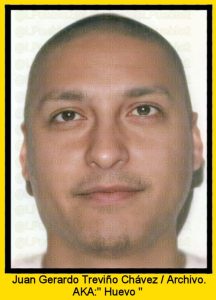 Led initially by Juan Gerardo Treviño Chávez (alias “El Huevo”), a relative of the Treviño Morales brothers (Miguel Ángel “Z-40” and Omar), CDN retained Los Zetas’ paramilitary heritage, many members are former military or police, while focusing on hyper-local dominance in the northeast. It broke away amid internal Zetas fractures, rejecting alliances and emphasizing independent operations.
The group inherited Los Zetas’ reputation for unparalleled brutality, including public displays of mutilated bodies, mass executions, and psychological terror to intimidate rivals, communities, and authorities. CDN quickly consolidated power in Nuevo Laredo, a strategic plaza for cross-border smuggling.
Key Leaders and Ongoing Setbacks
CDN operates with a hierarchical yet resilient structure, though leadership has suffered repeated hits:
- Juan Gerardo Treviño Chávez (“El Huevo”): Assumed command around 2016; arrested in March 2022 in Nuevo Laredo.
- Abdon Federico Rodriguez Garcia: Second-in-command; sanctioned by the U.S. Treasury in August 2025 for ordering executions and overseeing operations.
- Miguel Ángel de Anda Ledezma and Ricardo González Sauceda (“El Ricky”): High-ranking arms traffickers; sanctioned in May 2025 (González arrested by Mexican authorities in February 2025 linked to attacks on the military).
- Antonio Romero (“Romeo”): Former Tamaulipas police officer linked to executions and a 2025 attempted assassination of a Nuevo Laredo official; sanctioned in 2025.
- Other figures: Heriberto Hernández Rodriguez (member involved in drug trafficking, kidnappings, assassinations; transferred to U.S. custody in January 2026); Francisco Esqueda (“Franky de la Joya”).
Multiple U.S. Treasury sanctions (May and August 2025) targeted leadership, finances, and associates (including a prominent musician linked to the group). Large-scale fugitive transfers from Mexico to the U.S., including batches in February 2025 (29), August 2025 (26), and January 2026 (37), included CDN members charged with narcoterrorism, material support to FTOs, firearms trafficking, human smuggling, and drug conspiracies (fentanyl, meth, cocaine).
Current Status and Operations (as of February 2026)
Despite leadership losses, CDN remains active and dangerous in its core territories:
- Activities: Drug trafficking (fentanyl precursors, meth, cocaine, heroin); human/migrant smuggling (a major revenue stream); arms procurement and trafficking; extortion of businesses and communities; kidnappings; money laundering; and control of local crimes like prostitution.
- Territory and Influence: Dominant in Nuevo Laredo (Tamaulipas), with presence in Piedras Negras (Coahuila), parts of Nuevo León, San Luis Potosí, Zacatecas, Veracruz, and Quintana Roo. It has operational reach into the U.S., Guatemala, Honduras, and Colombia (where it reportedly seized cocaine routes from former Zetas allies).
- Violence: Known for retaliatory attacks, e.g., the 2022 grenade and gunfire assault on the U.S. Consulate in Nuevo Laredo after a member’s arrest, and 2024–2025 clashes with Mexican military (including attacks killing soldiers). Arrests often prompt warnings of escalated violence or retaliatory strikes near the border. Homicides, disappearances, and blockades persist in contested zones, though intensity varies.
CDN clashes with rivals like the Gulf Cartel factions (e.g., Los Escorpiones, Los Ciclones), occasional incursions by CJNG, and internal pressures from enforcement. Its FTO/SDGT status enables broader U.S. tools: asset freezes, financial isolation, and enhanced prosecutions.
Impact and Legacy
As a direct heir to Los Zetas’ legacy of militarized terror, CDN has perpetuated extreme violence in northeastern Mexico, contributing to regional instability, border threats, and U.S. fentanyl flows. Its attacks on officials and communities, combined with diversified crimes, make it a persistent security challenge.
The group’s endurance amid “kingpin” arrests and sanctions highlights the adaptability of fragmented cartels: cells persist locally, recruit aggressively, and exploit border dynamics. With intensified U.S.-Mexico cooperation, including terrorist designations and fugitive transfers, CDN faces mounting pressure, but its entrenched control over lucrative plazas ensures it remains a formidable narco-terrorist threat in early 2026.