Cárteles Unidos (United Cartels, also known as CU, Cartel de Tepalcatepec, Cartel del Abuelo, or The Grandfather Cartel), is a loose alliance of Mexican criminal groups primarily based in Michoacán state, formed to resist the expansion of the Cártel de Jalisco Nueva Generación (CJNG). As of February 2026, Cárteles Unidos has been designated by the United States as a Foreign Terrorist Organization (FTO) and Specially Designated Global Terrorist (SDGT) since February 20, 2025, reflecting its involvement in drug trafficking (including fentanyl precursors, methamphetamine, heroin, and cocaine), extortion, violence against civilians and law enforcement, and destabilizing activities in western Mexico. The alliance engages in brutal territorial conflicts, using tactics like improvised explosive devices, armed drones, landmines, and public displays of violence to maintain control over drug routes, illicit economies (e.g., avocado and lime production), and local influence in Michoacán.
Origins and Formation as an Alliance
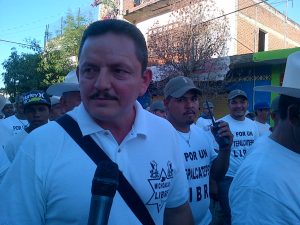
Cárteles Unidos traces its roots to earlier anti-CJNG coalitions in Michoacán, evolving from self-defense groups (autodefensas) that emerged in the early 2010s to combat extortion and violence by predecessors like the Knights Templar (Caballeros Templarios) and La Familia Michoacana. A prior incarnation formed around 2010 to counter Los Zetas incursions but fragmented.
The current version coalesced in 2019 as a strategic pact among several Michoacán-based groups to expel CJNG from the state. Key founding components include:
- Cartel del Abuelo (or Cartel de Tepalcatepec / Los Reyes), led by Juan José Farías Álvarez (alias “El Abuelo”).
- Los Viagras (a violent family-based cell focused on extortion in lemon-growing areas).
- Remnants of Los Caballeros Templarios and Los Blancos de Troya.
- Other local cells and former autodefensas corrupted over time.
The alliance’s primary goal: protect Michoacán plazas, drug production zones (poppy/meth labs), smuggling corridors (including the port of Lázaro Cárdenas), and extortion rackets targeting avocado growers (Michoacán produces most of Mexico’s avocados for export) and other agricultural sectors.
Key Leaders and Structure
Cárteles Unidos functions as a decentralized coalition rather than a monolithic cartel, with semi-autonomous cells cooperating against common threats like CJNG:
- Juan José Farías Álvarez (“El Abuelo”): Nominal overall leader; former autodefensa figure from Tepalcatepec; U.S. reward up to $10 million (announced August 2025) for arrest/conviction.
- Leaders of component groups: Figures from Los Viagras, Los Reyes, and others; U.S. indicted/sanctioned five senior members in 2025, with total rewards up to $26 million for key operatives.
- No single hierarchical boss; coordination occurs through shared interests and tactical pacts.
U.S. actions (OFAC sanctions August 2025, alongside Los Viagras) targeted the group under counternarcotics/counterterrorism authorities, freezing assets and prohibiting transactions.
Current Status and Operations (as of February 2026)
Cárteles Unidos remains active amid intense rivalry with CJNG, contributing to Michoacán’s status as one of Mexico’s most violent states:
- Activities: Drug trafficking (fentanyl precursors, meth, heroin, cocaine); extortion of avocado/lime producers and businesses; kidnappings; migrant smuggling; arms trafficking; and control of local economies. It uses violence to assert dominance, including drone bombings, landmines (e.g., December 2024 incident killing soldiers), and attacks on infrastructure/law enforcement.
- Territory: Strong in Tepalcatepec, Aguililla, Apatzingán, Tierra Caliente, and other Michoacán zones; contested borders with Jalisco/Guerrero; influence in agricultural and port areas.
- Violence: Ongoing war with CJNG involves extreme tactics (armored vehicles, explosives, civilian targeting); contributes to high homicides, displacements, and instability. Mexican deployments (e.g., 1,000 troops in late 2025) aim to contain spillover.
- Alliances/Conflicts: Primarily anti-CJNG coalition; occasional tactical ties with other groups; no major leadership arrests/extraditions specifically tied to CU in 2025–2026 batches (which focused on Sinaloa, CJNG, CDN, Gulf), but sanctions and rewards pressure persists.
The group’s FTO/SDGT status enables broader U.S. tools: asset freezes, financial isolation, and enhanced prosecutions. Mexican operations (raids, troop surges) continue, but decentralized structure aids resilience.
Impact and Legacy
Cárteles Unidos highlights how local alliances and autodefensas can evolve into entrenched criminal networks, blending community protection origins with extortion/drug profits. Its conflict with CJNG has militarized Michoacán—using advanced weaponry and terror tactics—fueling economic disruption (e.g., illegal avocado orchards, extortion crippling producers) and civilian suffering.
As a designated terrorist entity, CU faces intensified scrutiny amid U.S.-Mexico cooperation (extraditions totaling 92+ high-impact figures since 2025, though not CU-specific in major batches). Its survival amid rival dominance and enforcement underscores challenges in dismantling fragmented, regionally rooted groups driven by territorial control, illicit economies, and anti-CJNG resistance in western Mexico’s volatile criminal landscape.