The Guerreros Unidos (United Warriors), also known as Cártel de Guerreros Unidos, is a Mexican criminal syndicate primarily active in the southern state of Guerrero, with operations extending into Morelos, Estado de México (Mexico State), Oaxaca, and parts of Quintana Roo. As of February 2026, the group remains a fragmented but persistent player in Mexico’s organized crime landscape, specializing in heroin production and trafficking (historically a key supplier to U.S. markets like Chicago), alongside extortion, kidnapping, local drug distribution, and occasional involvement in other illicit activities. It has not been designated as a Foreign Terrorist Organization (FTO) or Specially Designated Global Terrorist (SDGT) by the U.S. (unlike larger groups such as the Sinaloa Cartel, CJNG, CDN, Gulf Cartel, La Nueva Familia Michoacana, or Carteles Unidos, designated in February 2025). However, proposed U.S. legislation like the Stop the Cartels Act (H.R.1915, 2025) has listed it among groups for potential Special Transnational Criminal Organization status, reflecting ongoing concerns about its violence and drug flows.
Origins and Formation
Guerreros Unidos formed around 2010 as a splinter from the Beltrán-Leyva Organization (BLO), emerging from an alliance involving remnants of La Familia Michoacana, the Tijuana Cartel, Juárez Cartel, and Los Zetas.
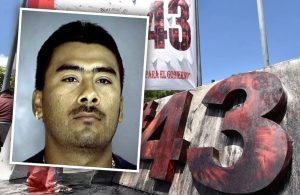
It broke away amid BLO fragmentation following the 2009 killing of Arturo Beltrán Leyva. Initially focused on heroin poppy cultivation in Guerrero’s mountainous regions (a traditional opium-producing area), the group gained national infamy for its alleged role in the September 26, 2014, disappearance of 43 Ayotzinapa Rural Teachers’ College students in Iguala, Guerrero. Reports indicate local police colluded with Guerreros Unidos, handing over the students, who were allegedly mistaken for rivals, to the cartel, which killed and incinerated them. The case remains largely unsolved after more than a decade, symbolizing corruption, impunity, and state-cartel ties in Guerrero.
Key Leaders and Major Setbacks
The group has suffered significant leadership attrition:
- Mario Casarrubias Salgado (“El Sapo Guapo”): Early leader; arrested in 2014, contributing to initial fragmentation.
- Adán Casarrubias Salgado: Mexico-based leader; extradited to the U.S. in 2022; pleaded guilty and sentenced in Chicago in March 2025 to 11 years for coordinating heroin shipments (hidden in bus compartments) to the U.S. Midwest.
- Pablo Vega Cuevas: Former Chicago-area crew boss (Aurora, Illinois); arrested in 2014 on heroin trafficking charges; cooperated with the DEA, leading to a reduced 10-year sentence (time served) in August 2025, followed by release (with possible deportation to Mexico).
These losses fragmented Guerreros Unidos into smaller, semi-autonomous cells, reducing its cohesion but allowing localized survival.
Current Status and Operations (as of February 2026)
Guerreros Unidos operates as a diminished “mini-cartel” rather than a dominant national force:
- Primary activities: Heroin production/trafficking (Guerrero remains a key poppy-growing zone); extortion and kidnapping for revenue; local methamphetamine and cocaine distribution. It has historically supplied U.S. markets (e.g., Chicago via bus routes) but faces competition from synthetic opioids like fentanyl produced by larger groups.
- Territory and influence: Concentrated in Guerrero (contested with rivals like Los Ardillos, Los Tlacos, La Bandera, and CJNG); presence in Morelos, Estado de México, and pockets elsewhere. In Guerrero’s central and northern areas, it competes in multi-group struggles; southeastern mountainous zones see clashes with Los Tlacos and Ardillos.
- Alliances and rivalries: Past tactical partnerships (e.g., with CJNG for route access); ongoing conflicts with splinter groups and larger cartels erode control. Violence includes selective homicides, kidnappings, and community intimidation.
- Violence and impact: Contributes to Guerrero’s high homicide and disappearance rates, though less intense than peaks in the 2010s. The Ayotzinapa case continues to fuel scrutiny, with recent reports (2025) highlighting text messages and collusion evidence.
U.S. actions target remnants: Cooperation with DEA has yielded convictions (e.g., Vega Cuevas in 2025), but no large-scale 2025–2026 extraditions specifically tied to Guerreros Unidos appear in major transfers (which focused on FTO-designated groups like Sinaloa, CJNG, CDN, and Gulf Cartel). Mexican operations and U.S. pressure persist amid broader fentanyl crackdowns.
Impact and Legacy
Guerreros Unidos exemplifies the evolution of Mexican organized crime: from BLO splinter to specialized heroin trafficker, then to extortion/kidnapping amid fragmentation. Its alleged role in the Ayotzinapa disappearances exposed deep corruption (police, military, and local officials colluding), eroding public trust and highlighting impunity in Guerrero.
While weakened by arrests, leadership losses, and competition from dominant cartels (CJNG, Sinaloa factions), its persistence in heroin-producing zones and diversified crimes ensures it remains a regional threat. As U.S.-Mexico cooperation intensifies under cartel pressures and potential future designations, Guerreros Unidos faces ongoing erosion, but its decentralized cells highlight the difficulty of fully dismantling such entrenched, localized networks in Mexico’s volatile criminal ecosystem.